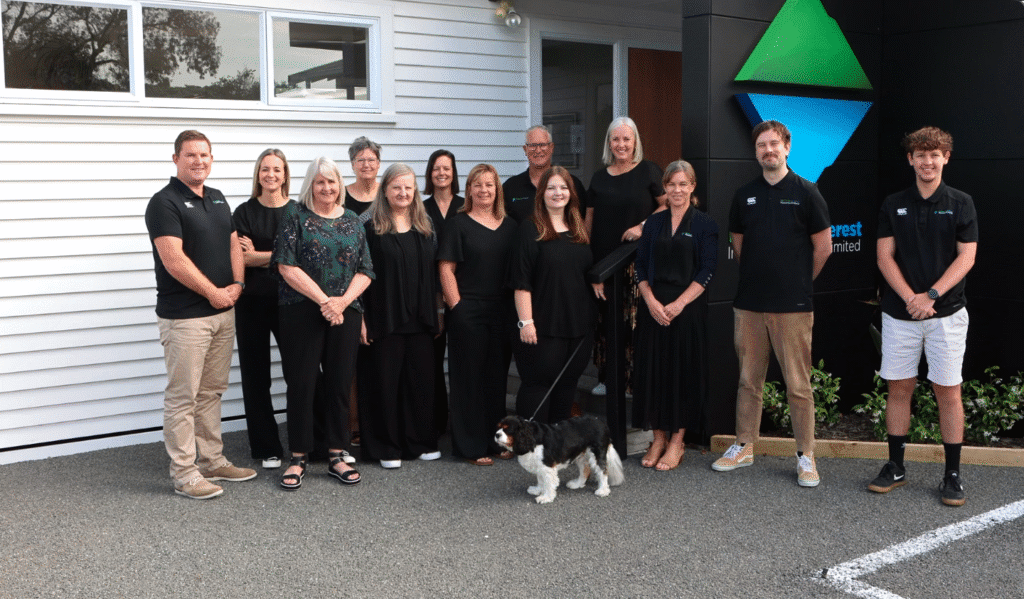
Whoever said insurance was boring needs to watch the latest episode of The Days of McDonald Everest Lives!
This year we have been meeting with clients face to face, chatting over the phone, responding to text or email – keeping in touch with our clients as we navigate and embrace the industry changes together. This is the forefront and heart of what we do at McDonald Everest.
Our lives don’t stop when the front door is locked at the end of the day. We have been equally as busy with becoming regional partners with the Chamber of Commerce, a connection we are proud of. We have given back to the community through club sponsorship, charity golf and croquet events and donations to help keep integral roots of our region growing.
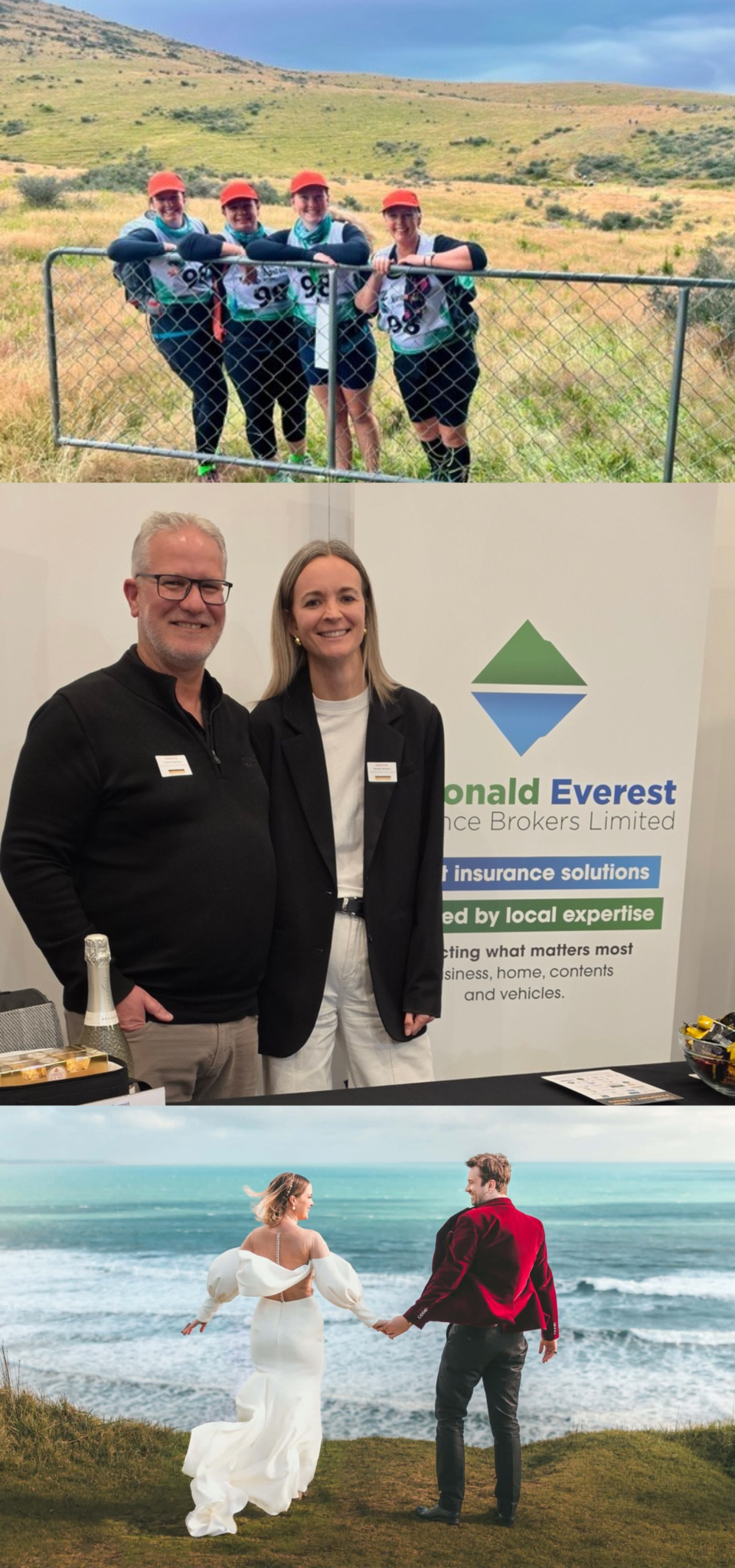
Our connection to the community goes well beyond the insurance jargon. Behind the desks we’re a colourful mix of travellers, adventure racers, sport coaches and proud sideline cheerers, performing arts enthusiasts, community volunteers and even a well celebrated newlywed! It’s never dull around here and it’s a shared passion for people, family, and community that brings us together and reflects the genuine care we put into everything we do.
As we look at what the past year has brought to the table, we cannot go past the changes to the Fire and Emergency Levy (FENZ) and the impact of Natural Disasters to the region.
Fire and Emergency Levy - Understanding The Changes
FENZ provides essential firefighting, rescue and emergency response services across the country and these sectors are primarily funded through a government-set levy collected through insurance policies. While insurers collect and pass on this levy, they do not set the rates or retain the funds.
For our clients, it is important to understand that changes to their overall insurance costs are not always driven by insurers themselves. As Government levies form part of the total premium, understanding where these costs come from helps provide greater transparency when reviewing insurance premiums. In a previous news article, we explain in detail how the FENZ Levy has changed and how these impacts both domestic and commercial clients – click here to read more.
Natural Disasters - Are You Prepared?
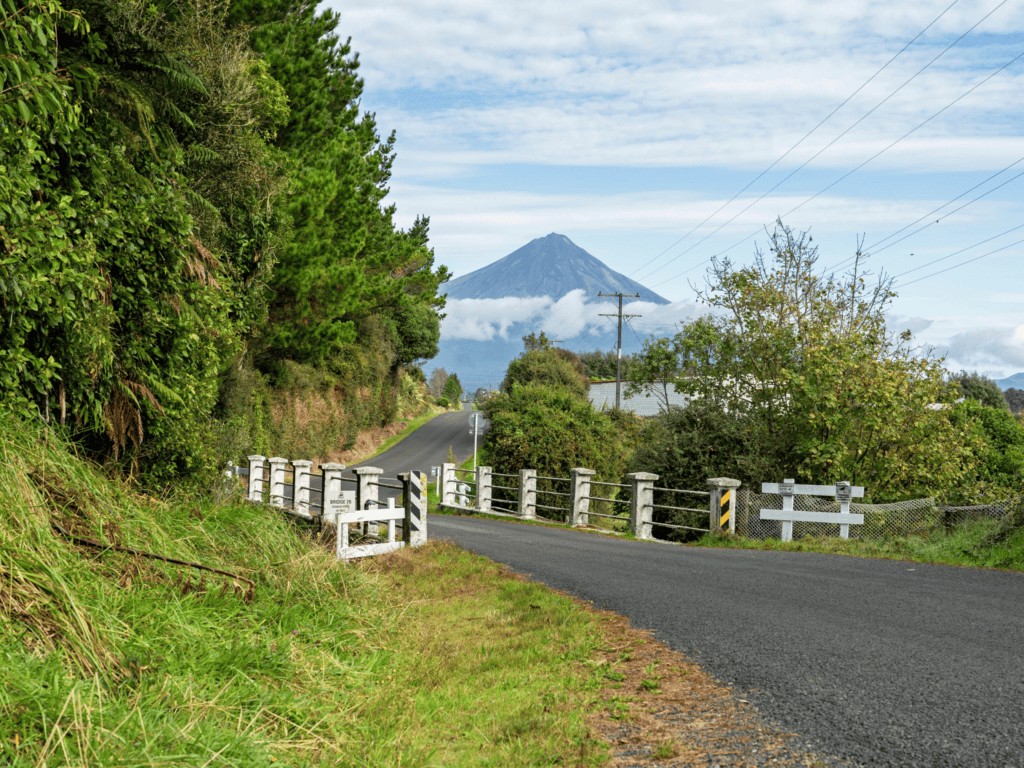
Natural disasters and extreme weather events have continued to remind New Zealanders just how vulnerable our homes, businesses and communities can be. Throughout 2026, significant flooding, storms and landslides have affected regions across the country.
Here in Taranaki, we have not been immune. Severe weather in April caused flooding and slips particularly in the Awakino Gorge, resulting in disruption to important transport routes. Mother Nature is reminding us that natural hazards are not confined to any one region, we are all susceptible to them.
The Natural Hazards Commission, Toka Tū Ake, has also highlighted a significant increase in landslide claims, demonstrating the growing importance of understanding the risks associated with individual properties. We are more aware of these hazards and in quarterly research done by the Commission found that 62% of those surveyed have taken some action to prepare for a natural hazard event. Being proactive and prepared for them can materially affect how well we are able to recover afterwards.
As we are entering the last few weeks of 2026, we look ahead at the changing weather patterns that seems to bring more rainfall and increasing exposure. These changes are likely to influence how insurers assess risk, determine premiums and offer cover. For property owners, this makes understanding local hazards, maintaining properties and ensuring appropriate insurance protection more important than ever. While we cannot control the weather, we can certainly be better prepared for them.
Contracts of Insurance Act - Preparing For 2027
One of the most significant legislative changes that will affect our industry is the Contracts of Insurance Act 2024, which comes into force on 15 November 2027.
The intent for the new Act is to create greater fairness, transparency and clarity between the insurer and client. For our domestic clients, rather than being expected to volunteer every circumstance an insurer might consider relevant, you will be required to take reasonable care to answer insurers’ questions accurately and honestly. For businesses and other non-consumer policyholders, the responsibility to make a fair presentation of their risks will remain important.
Insurers will also need to review their policy wording, questions and processes to ensure information is communicated clearly and customers are treated fairly. Although the changes are still a year away, preparation will be essential for insurers, brokers and clients alike. The legislation reinforces the importance of open communication and accurate information, which is something that is at the core of McDonald Everest.
Looking Ahead - Confidence Through Change
If 2026 has taught us anything, it is that change is inevitable, being prepared is essential and the ability to adapt is what sets successful businesses apart.
From evolving legislation and rising costs to the increasing challenges presented by natural hazards, the insurance landscape continues to shift. Yet behind every policy is something worth protecting: a family home, a thriving business, a livelihood or years of hard work.
At McDonald Everest, our focus remains firmly on what matters most: helping our clients protect what matters most. Whilst we cannot predict every challenge the future may bring, we believe the right advice, the right protection and a trusted relationship can make all the difference when it matters the most.